

Alicanto offer a wide range of services in the areas of analysis, design, development, and maintenance of various IT systems.
Embedded systems are specialized computer systems designed to perform a specific function within a larger system or device. Unlike general-purpose computers, they are built to handle dedicated tasks efficiently and reliably. These systems are commonly found in everyday products such as washing machines, automobiles, medical equipment, and consumer electronics, where they ensure smooth and precise operation.
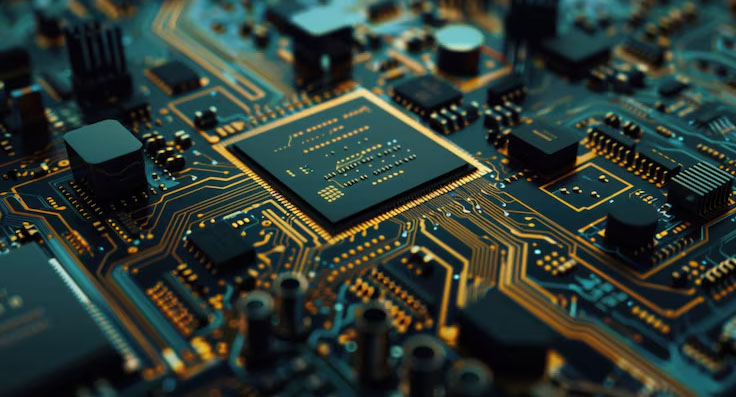
An embedded system consists of both hardware and software components working together. The hardware typically includes microcontrollers or microprocessors, memory, sensors, and actuators, while the software is programmed to control the system’s functionality. These systems often operate under strict constraints such as limited memory, low power consumption, and real-time processing requirements, making their design highly optimized and efficient.
With the growth of smart technology and IoT, embedded systems have become more advanced and interconnected. They now enable intelligent features such as automation, remote monitoring, and data processing in real-time. From smart homes and wearable devices to industrial automation and robotics, embedded systems play a vital role in modern technology by delivering reliable and efficient performance.
Alicanto offer a wide range of services in the areas of analysis, design, development, and maintenance of various IT systems.
© Alicanto 2025 | All Rights Reserved